
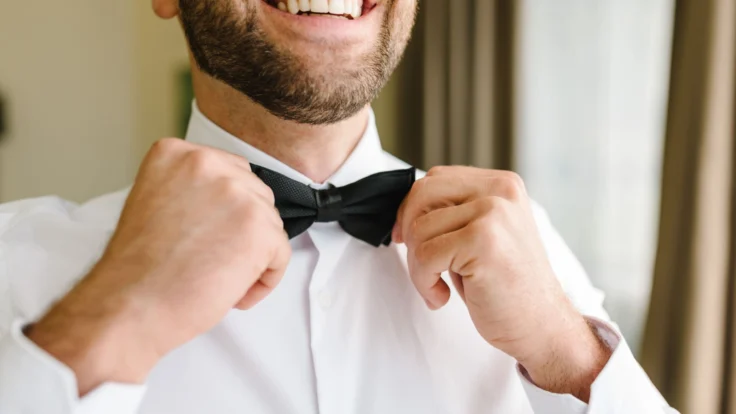
First impressions, by definition, are instant. People are quick to form an opinion on first meeting, and this is no less true in a job interview.
Of course, it’s important to first write an effective resume, research the company, predict interview questions and answers, and to perform well. But how to dress for an interview is also crucial.
Wearing the right clothes shows that you’re professional, polished, you care about the job, and that you have good attention to detail.
Now, let’s dive into specifics.
What To Wear for a Job Interview
The most important thing to bear in mind when dressing for a first interview is to appear smart, and if in doubt, go on the conservative side. It’s essential to know what not to wear to an interview.
The dress code of an office is different from the job interview dress code. Don’t be fooled into thinking you should dress casually just because you know the company has a casual dress code.
However, what you wear will vary depending on whether you’re interviewing with a law firm, a bank or a consulting firm, at a hip start-up, or for a casual summer job.
If in doubt, call up the company to ask about the dress code or ask a recruiter who arranged your interview.
Job Interview Dress Code for Women
Women have more to think about when choosing the right outfit for a job interview.
There are extra considerations such as whether to wear a dress, skirt, or a suit, as well as having accessories and makeup to think about. When in doubt, be more conservative, but it doesn’t mean your outfit has to be boring.
Best outfits for interviews
Skirts
If you choose a skirt, make sure it isn’t too short — knee-length skirts are advisable. Choose a plain color, black is always a good choice, as are navy and brown/beige or gray. In the summer, lighter colors are also fine.
Blouses or shirts
Buttoned down shirts in light colors can look great – and you can also experiment with fabrics, e.g. sheer silk chiffon over a camisole.
Color could be great – it can actually make you stand out (e.g. a red blouse and a beige skirt), but avoid colors that are too bright (e.g. bright pink), patterns, and anything low-cut.
Dresses
Dresses can make a fab interview outfit. A nice wrap dress (e.g. Diane von Furstenberg) or a dress with a structured fit is professional and modern.
Black pants
It’s worth investing in a pair of quality black pants that fit you well. You can pair them with a shirt or a jacket for a formal look, or even with a smart sweater or a blouse for a business casual look.
Suits
If you wear a suit, it should be a good fit and make you feel comfortable. Get your suit adjusted if the fit is not quite right. Suits should be simple, preferably dark – but you don’t need to stick to black or navy. A khaki or light gray suit could also look professional and stylish at the same time.
Shoes
Should be fairly low-heeled and in good condition. Don’t wear shoes that have an open toe or back, and heels. Pumps should be fine.
💡Tip
Choose a classic, basic, comfortable pair of shoes. A salesperson in a store will be able to advise you.
Other important considerations for women
Makeup
It should be flattering but understated, choose a shade which is neutral to your skin tone. Avoid bright or unusual colors for your nails.
Neutrals, light pink or coral or red work well. This isn’t time to be experimenting with blue acrylic nails!
For those who don’t usually wear makeup, it is perfectly acceptable to go bare-faced to an interview. The key is to present yourself in a way that makes you feel confident and comfortable.
Jewelry and accessories
Keep them to a minimum. Instead, as fashion psychologist Dawnn Karen recommends, make use of a single focus accessory.
This could be a ring or brooch passed down through your family or with an interesting story connected to it. It can boost your confidence and, if the interviewer notices it, give them a bit more insight into you as a person.
Hair
Your hair should be clean, neat and conservatively styled. The aim is to look professional and polished. Avoid brightly colored hair accessories and hairstyles which look out of place with your outfit. A low ponytail and an updo are 2 safe options.
Perfume
Don’t wear overpowering perfume, a little usually goes a long way. In fact, one study found that 90% of women asked felt more confident when wearing perfume, so use it sparingly to your advantage.
Job Interview Dress Code for Men
What should men wear to a job interview? It’s rarely appropriate to dress down for an interview, and it’s better to overdress than underdress. The safest bet is to go conservative, which means wearing a suit.
The suit
The suit should consist of a matching jacket and pants, a dress shirt, a tie, and coordinated socks.
Your suit should be comfortable and needs to be a good fit. Don’t try and squeeze into an old suit, invest in a new one. Feeling and looking good in an interview will help you to relax and give you confidence.
If you’re not sure whether the company requires a formal suit or more business casual type of clothing, you can also try a lighter color or khaki blazer with coordinating trousers. If you wear it with a tie, you’ll look more formal, but in a less formal company, you can skip the tie.
Shirt and tie
The shirt and tie should complement the suit. Choose a plain, single-colored shirt, white is a safe choice and a tie which matches the shirt.
Avoid novelty ties and socks, they will be noticed and may not give a positive impression.
Business casual
If the dress code is business casual, or you’re interviewing with a start-up, you can wear a sweater over a button down shirt in a light color.
The sweater should have a neutral color – e.g. navy, black or gray.
Colors
Dark colors such as black, navy blue, brown, and dark gray are ideal for the suit. The shoes should be black with a black or gray suit and brown with a blue or brown suit.
Don’t mix black and brown.
Hair
Your hair should be clean, neat, and styled conservatively. You don’t need to wear aftershave, but if you do, only wear a little. You don’t want to smell overpowering.
How to Dress for a Video Interview
Dressing appropriately for a video interview is just as important as for an in-person interview.
Here are some key tips to ensure you look your best on camera.
Opt for solid colors and neutrals
Solid colors are generally the best choice for video interviews, as they show up well on camera and avoid issues with patterns causing a moiré effect.
Neutral tones such as blue, gray, and white are safe bets. These colors convey professionalism and are less likely to distract from what you are saying.
Bright colors and busy patterns can be distracting and may not translate well on camera. Stick to solid, muted tones that compliment your skin tone and contrast with your background.
Consider your background
Ensure your background is clean, uncluttered, and neutral. Your clothing should contrast with your background to avoid blending in.
For example, if your background is light, opt for darker clothing and vice versa.
Dress fully
Even though the interviewer may only see your upper half, it’s important to wear a complete outfit, including appropriate bottoms.
This prevents any embarrassing situations if you need to stand up or adjust your camera during the interview.
Keep accessories minimal
Jewelry and accessories should be understated to avoid catching light or making noise that could distract the interviewer.
Stick to small, simple pieces that enhance your look without overpowering it.
Final Advice
Making a strong first impression starts with impeccable personal hygiene and a polished appearance.
To end this guide, we have compiled a set of last-minute tips to make your interview a complete success:
- Your clothing should be neat, clean, and without creases.
- Shower before your interview and wear deodorant.
- Make sure you’ve brushed your teeth and have fresh breath.
- Avoid smoking or eating directly before.
Preparing for an interview is key. Make sure you’ve printed copies of your professional resume and made all other preparations with plenty of time to spare. Start on time, feeling confident and relaxed.
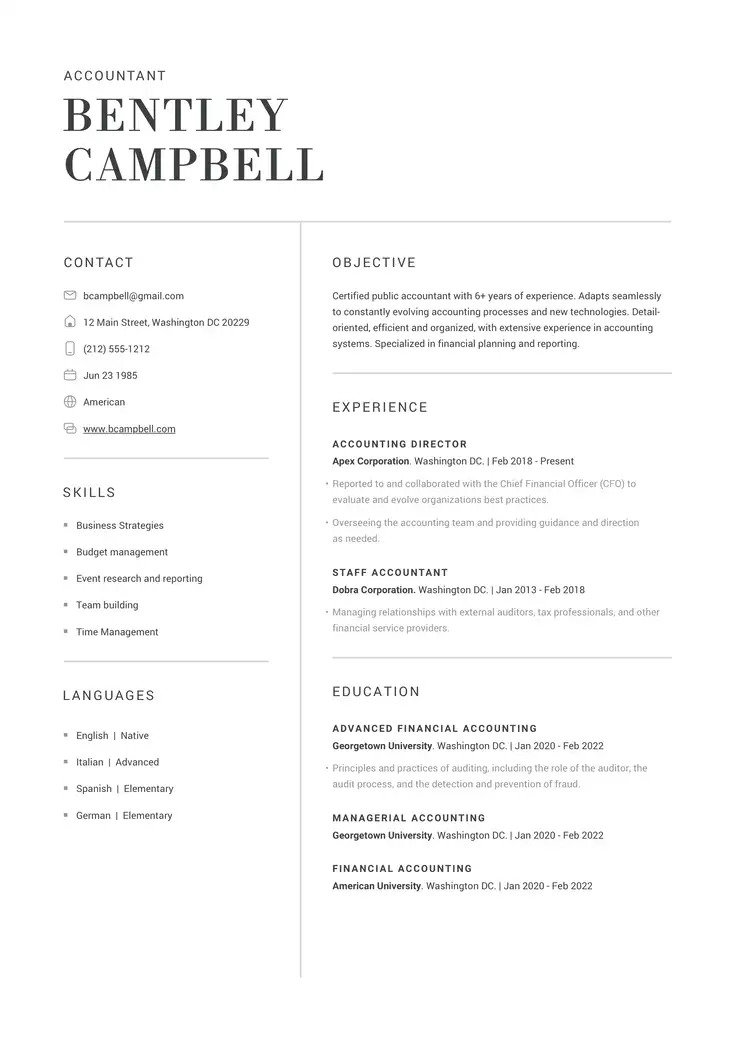
Struggling with Resume Writing?
Ease the process with our templates
Related Posts